


Roofing
Roofing That Ends the Conversation
Full tear-offs, architectural shingles, standing-seam metal, and the flashing and soffit detail that actually keeps water out. Done once, done properly.
- Family Owned & Operated
- 20+ Years Experience
- Free Written Estimates
- Fully Insured
A roof is the one part of a house that has no good failure mode. When it goes, everything underneath it starts going too. We treat it accordingly.
Full tear-off replacement
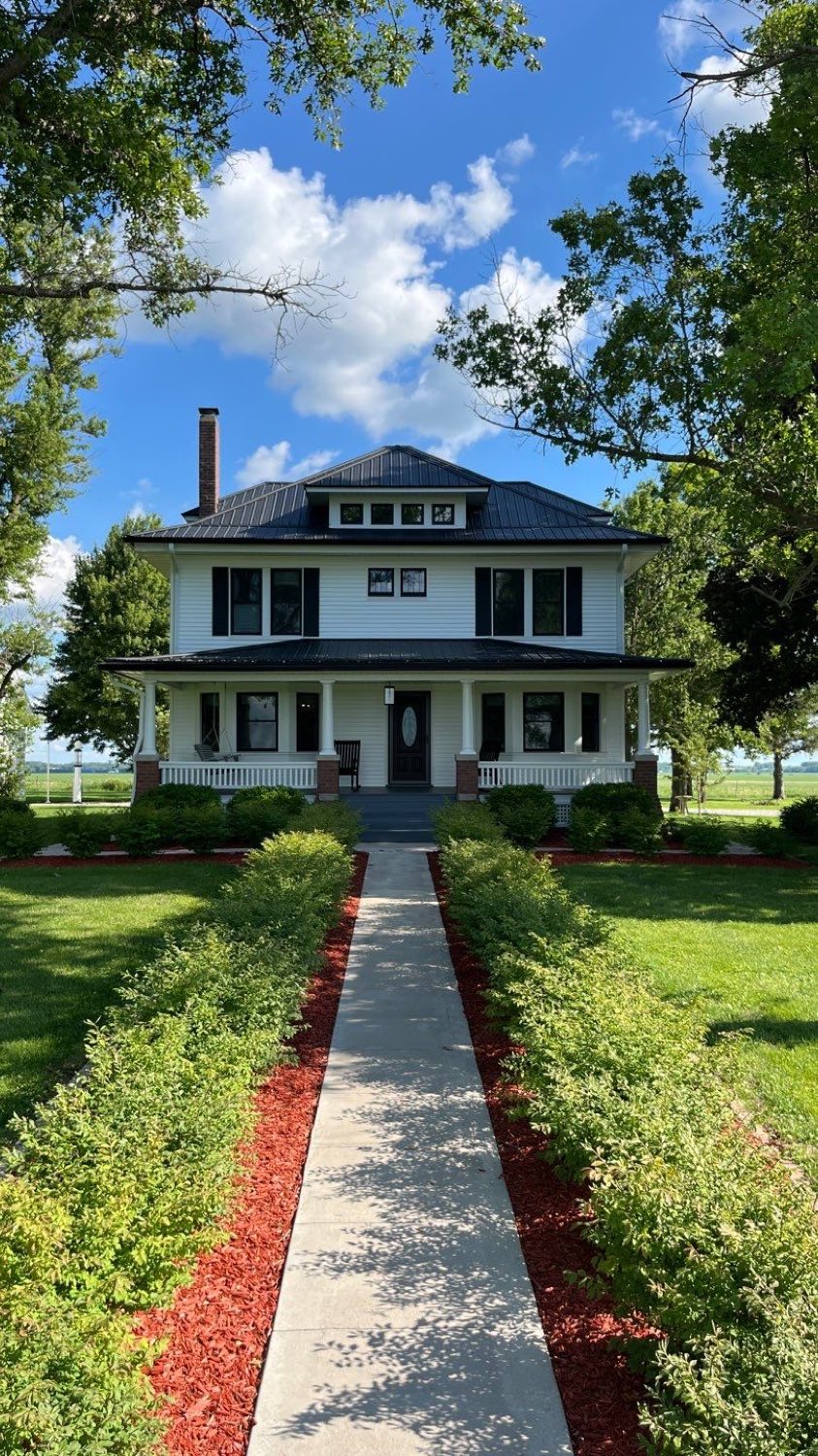
We strip the old roof down to the deck so we can see what we’re building on. Soft or rotted sheathing gets replaced, then new underlayment, ice-and-water at the eaves and valleys, new flashing, and shingles. Cut-up rooflines with gables, dormers, and porch roofs are routine around here. Most of the housing stock in Mercer County has them.
Standing-seam metal
Standing seam is the premium metal roof: tall vertical seams that lock together, with the fasteners hidden underneath where weather never reaches them. Nothing penetrates the face of the panel, so there are no gasketed screws to back out or dry up in fifteen years. It costs more the day it goes on, and it is the last roof a lot of buildings ever need.


Ag panel & exposed-fastener metal
Ag panel is the other kind of metal roof, and the one on most rural buildings around here. The panels screw down through the flat of the pan, so the fastener heads sit in visible rows across the roof. It costs considerably less than standing seam, goes on faster, and still far outlasts shingles, which makes it the sensible choice on outbuildings, shops, garages, and plenty of houses.
The two are not interchangeable, and anyone quoting you “metal” without saying which one they mean is worth a second question. We will tell you which one suits the building, and price both if you want to compare.
Storm, hail & repair work
Wind, hail, and fallen limbs are part of living here. We repair what can be repaired and replace what can’t, and we document the damage clearly so you have something concrete to work from.
Soffit, fascia & flashing
Most roof leaks aren’t really shingle failures. They’re flashing, valley, and edge-detail failures. We do soffit, fascia, and flashing as part of the roof rather than as an afterthought, which is why we’d rather quote them together.
- Complete tear-off and re-roof, down to the deck
- Architectural asphalt shingles
- Standing-seam metal roofing (concealed fastener)
- Ag panel / exposed-fastener metal roofing
- Deck and sheathing repair
- Flashing, valleys, and ice-and-water shield
- Soffit and fascia replacement
- Storm, hail, and tree-damage repair
- Houses, garages, and outbuildings
If your roof is at the end of its life, or you just want to know how much is left in it, we’ll come look at it and tell you straight.
Request an Estimate
Tell us about your project. We usually reply the same day. No pressure, no obligation.
Our work
Jobs like this one
Every photo is from a job we did. Have a look at how these turned out.


FAQ
Common questions
Do you do full tear-offs or just lay over the old roof?
We tear off. Going over an existing roof hides whatever is wrong with the deck underneath and shortens the life of the new shingles. Taking it down to the deck lets us see and fix any soft or rotted sheathing before the new roof goes on.
Shingles or metal?
Architectural shingles are the practical choice for most homes: good looking, well priced, and long lasting. Metal comes in two forms: standing seam, with concealed fasteners and a very long life, and ag panel, which screws through the face of the pan, costs less, and still far outlasts shingles. We’ll tell you which one suits the building and price more than one if you want to compare.
Can you help with storm or hail damage?
Yes. We regularly repair and replace roofs after wind and hail, including tree-damage repairs. We can walk the roof, document what we find, and give you an itemized estimate to work from.
How do I know if hail damaged my roof?
Usually you cannot tell from the ground. Hail damage shows up as bruising, soft spots where the granules have been knocked loose and the mat underneath has taken the impact, and it can sit there shortening the life of the roof for years before it ever leaks. If a storm has come through, have someone walk the roof and photograph what is there.
Will you deal with my insurance company?
We will get on the roof, document what we find, and give you an itemized estimate you can hand to your insurer. We are not adjusters, so we will not tell you what your policy covers or what to put on a claim. What we can do is make sure what is actually up there is written down properly.
Do you handle gutters and soffit too?
We handle soffit, fascia, and flashing as part of roofing work, and we can coordinate gutters. Because those details are where most leaks actually start, we’d rather do them at the same time as the roof.
How long does a roof take?
Most single-family tear-offs are a matter of days, weather permitting. Cut-up rooflines with lots of valleys and dormers take longer. We’ll give you a realistic window when we estimate the job, not an optimistic one.
More from Ascend
The rest of what we do
-
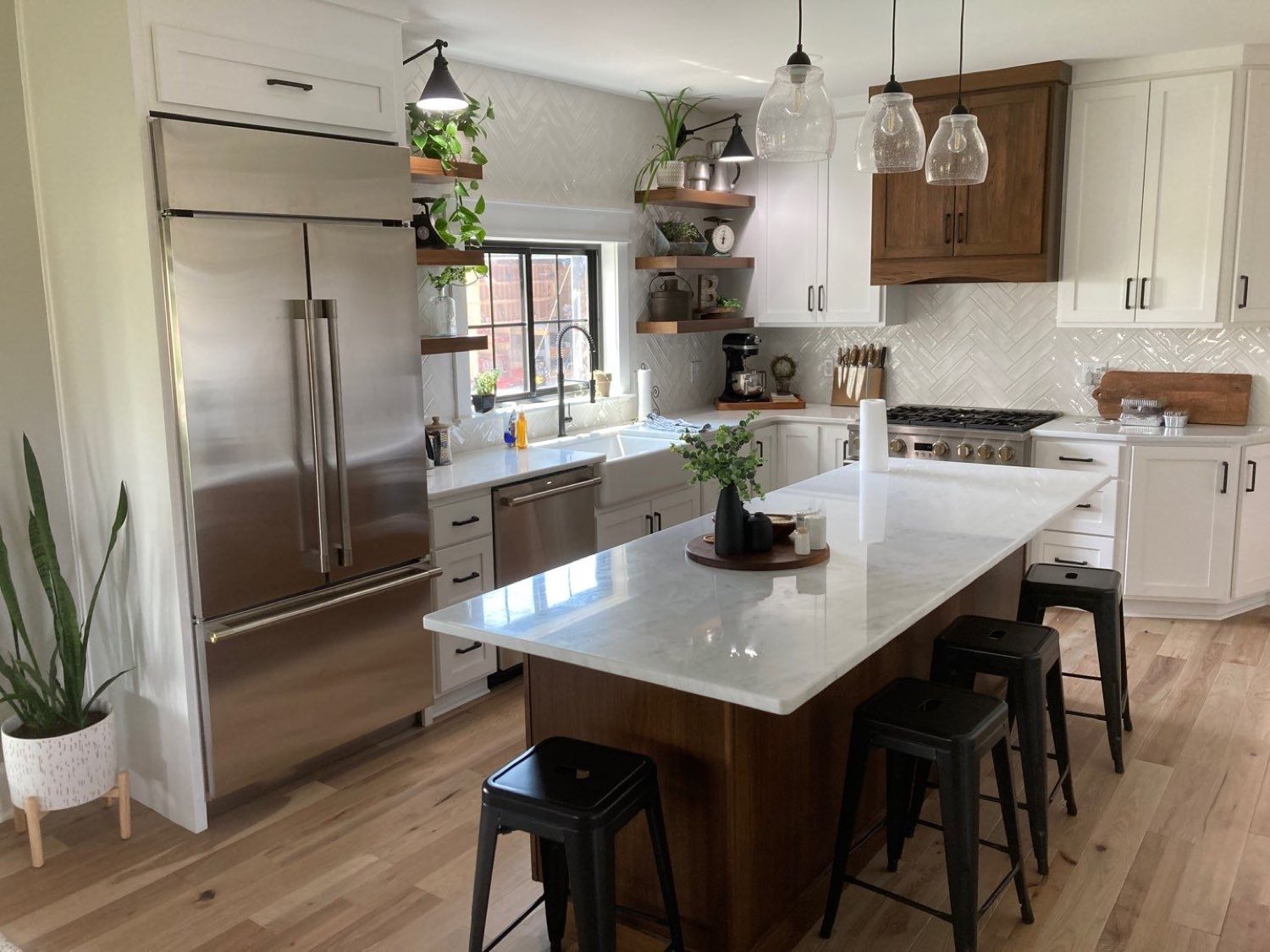
Remodeling
Kitchens, bathrooms, basements, and whole-home transformations.
Learn more
-
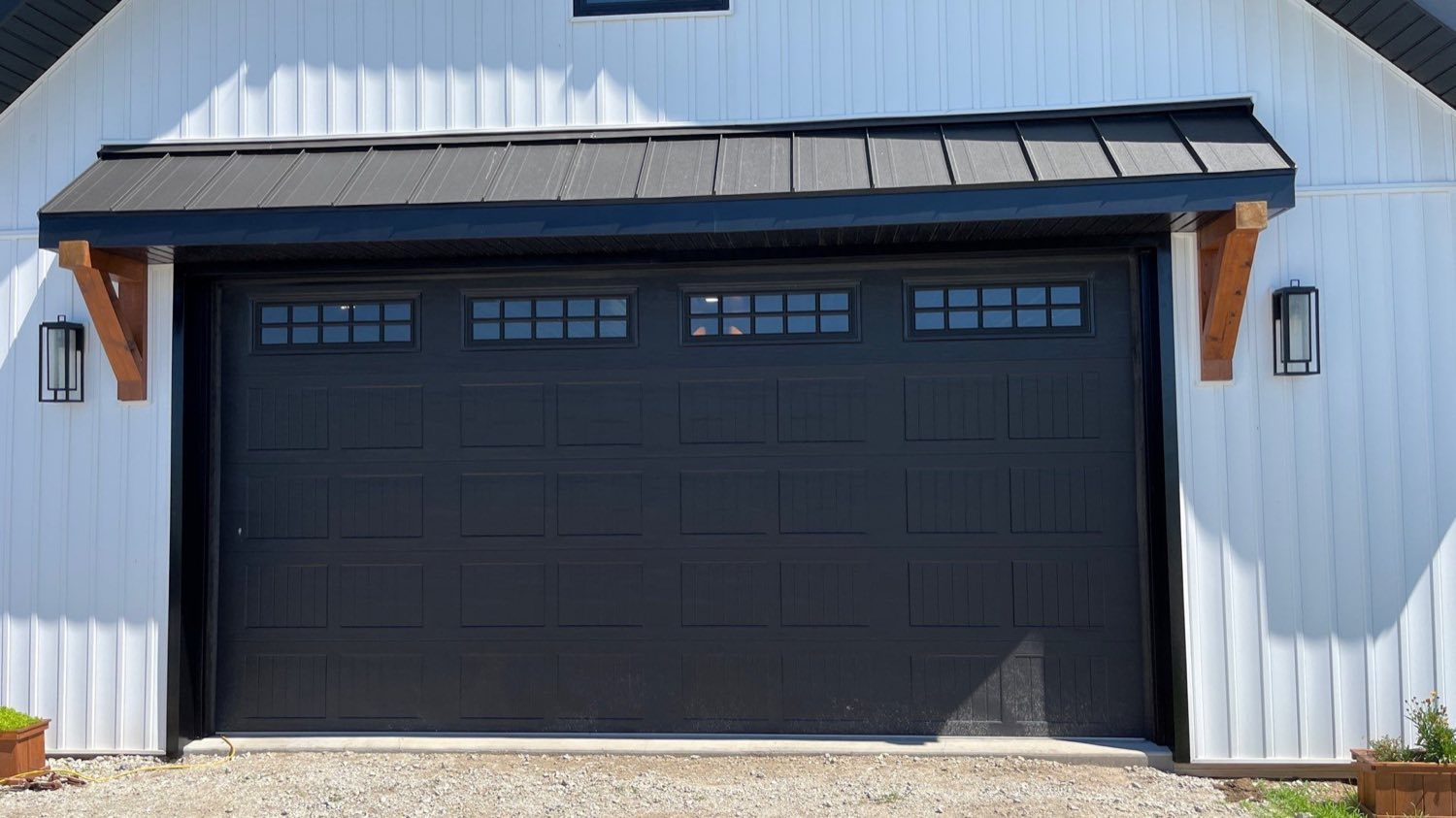
Home Additions
More room to live. Additions that blend seamlessly with your home.
Learn more
-
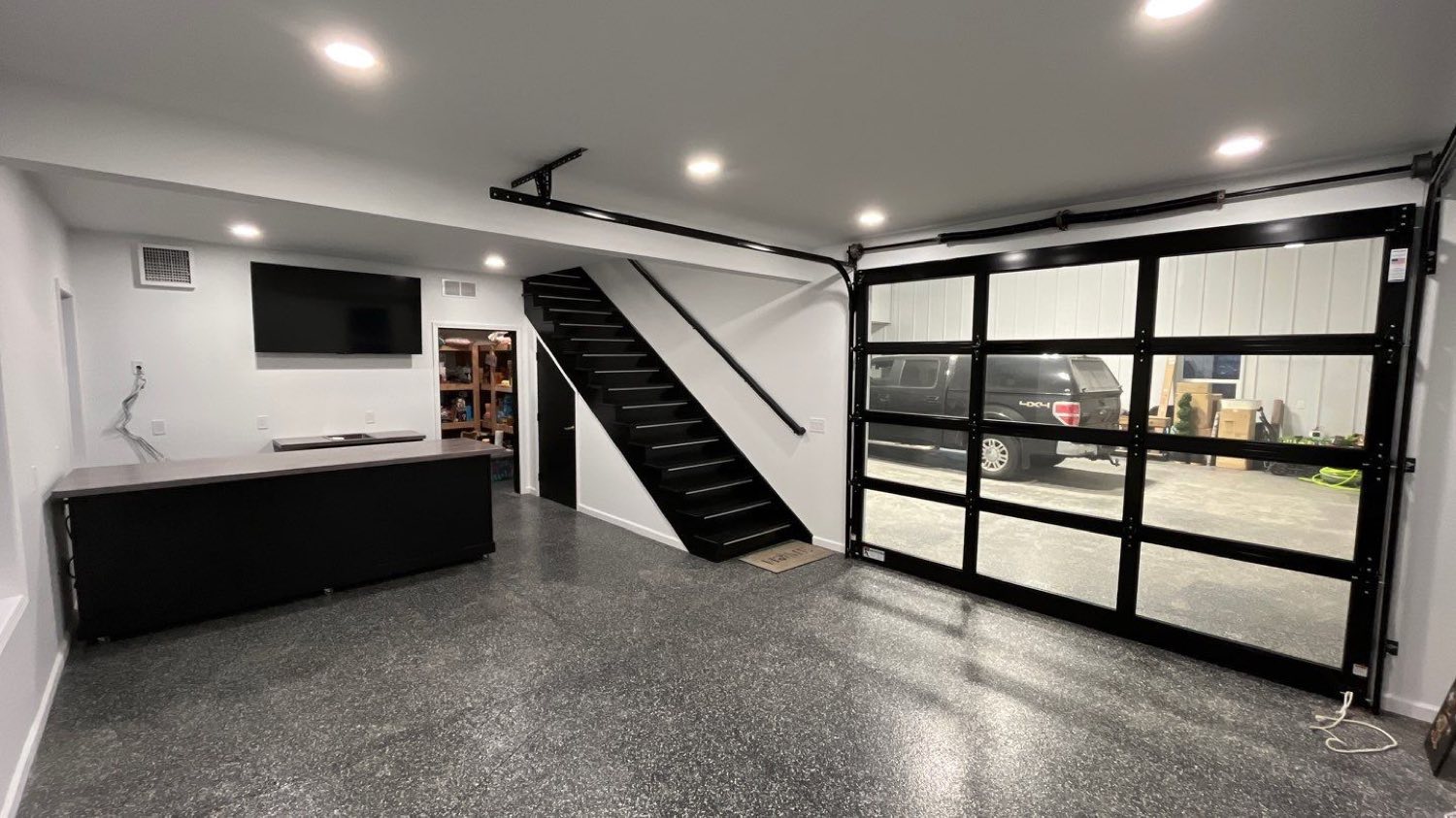
New Construction
Custom homes and ground-up builds, from first drawing to final walkthrough.
Learn more
-
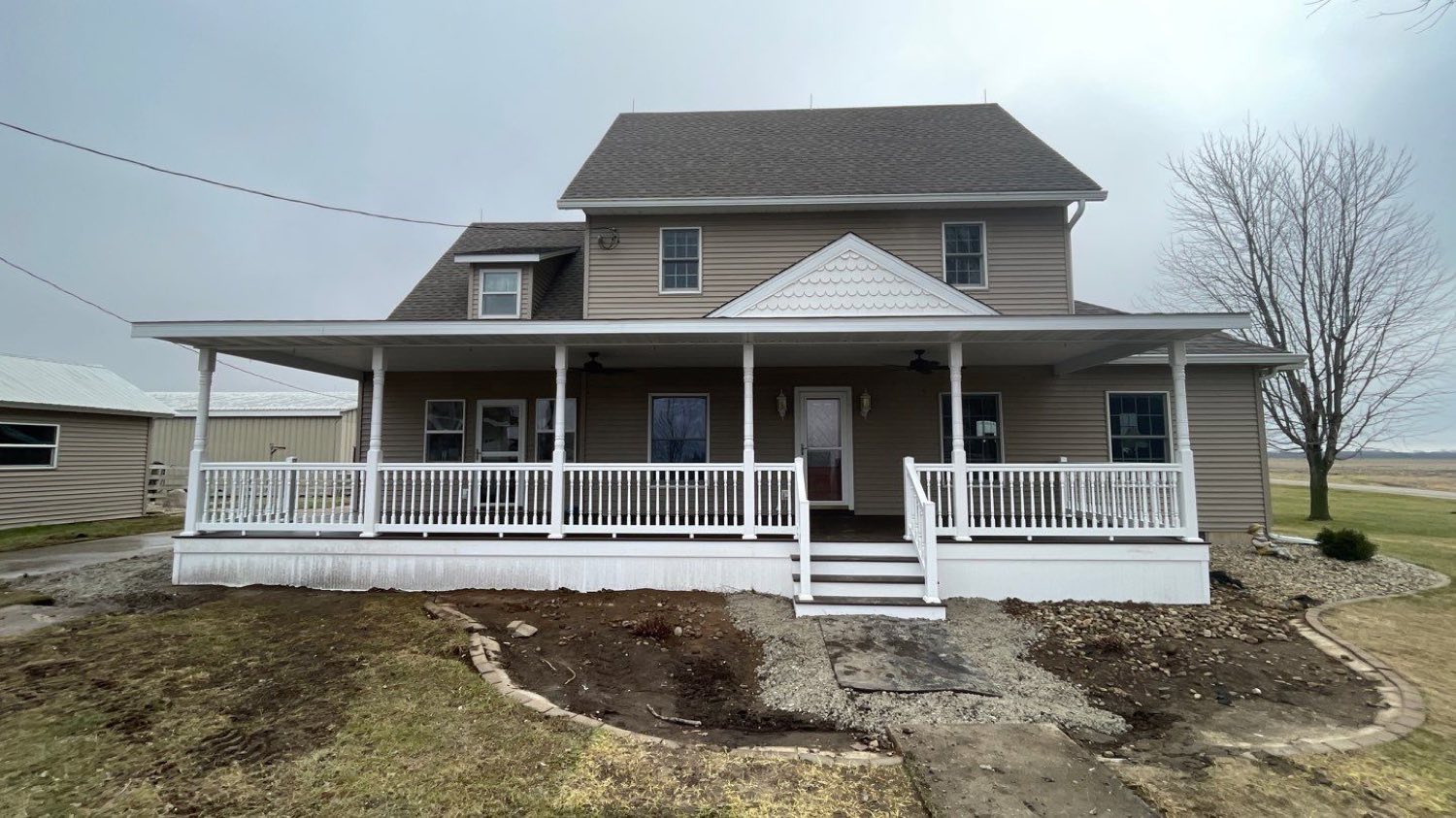
Decks & Outdoor Living
Porches, decks, and accessibility ramps built to last.
Learn more
-
Windows, Doors & Siding
Energy-efficient exteriors that protect and elevate your home.
Learn more


Service Area
Where we work
Based in Aledo, Illinois, and working across Aledo and Mercer County.
- Aledo, IL
- Viola, IL
- Sherrard, IL

Let’s build something good
Ready to start your project?
Call (309) 224-7969 for a free, no-obligation estimate, or send the details and we’ll get right back to you.